 AE Sports News
Bancroft statement on Sandpapergate contradicts Cummins and Khawaja accounts
Cameron Bancroft has broken his silence on the 2018 ball-tampering scandal, offering a version of events that diverges sharply from Pat Cummins' press conference and Usman Khawaja's earlier comments, writes Guardian Cricket's Gideon Haigh.
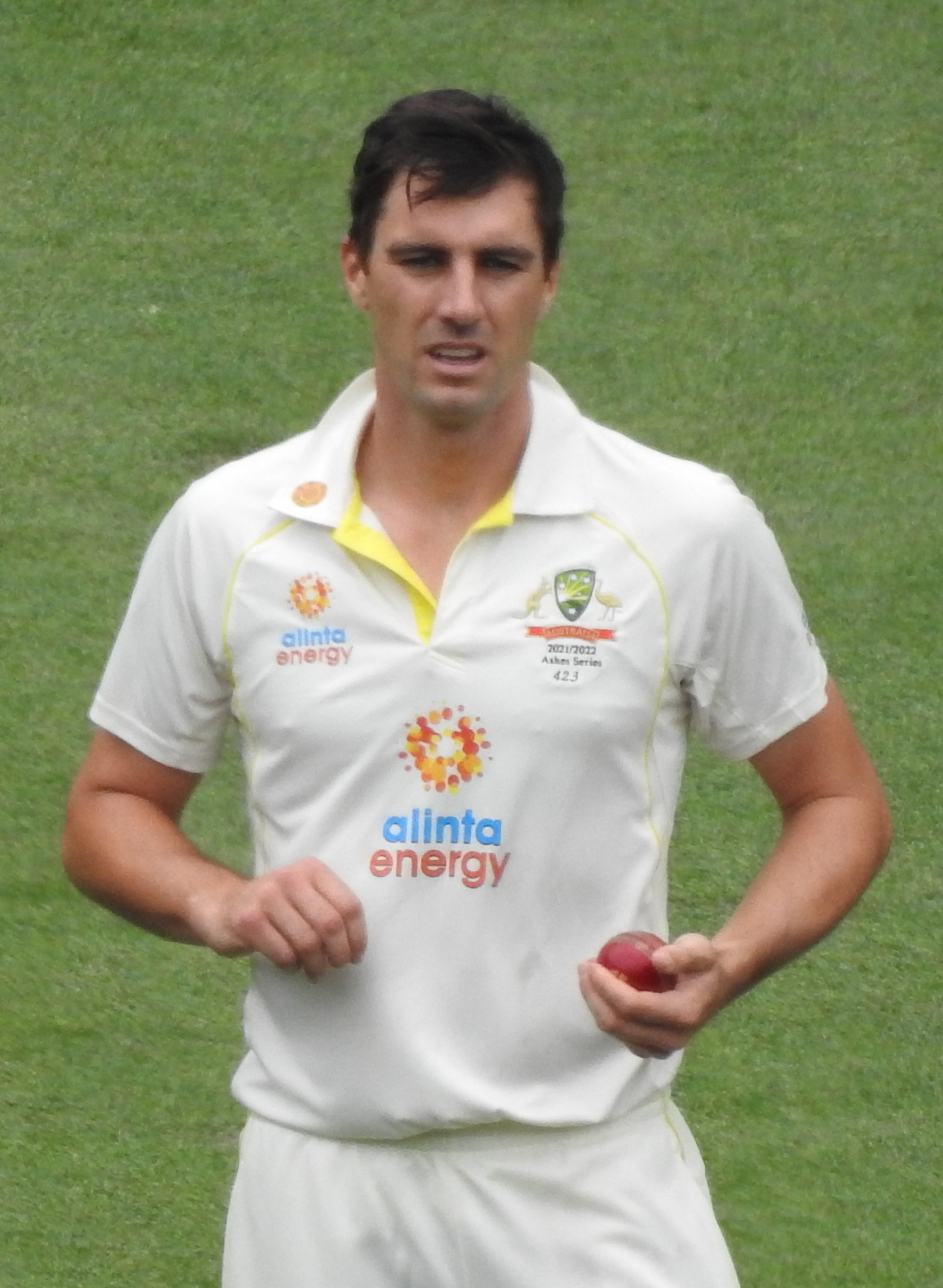
Cameron Bancroft has published a lengthy statement on the 2018 Sandpapergate affair that directly contradicts the account given by Australia captain Pat Cummins at a press conference last Friday, according to Guardian Cricket's Gideon Haigh.
Bancroft's version also departs from what Usman Khawaja said in a programme called Sabr and from comments made by Chadd Sayers at the weekend, Haigh writes, raising fresh questions about how much was known and by whom inside the Australian dressing room during the Cape Town Test.
Where Khawaja described Bancroft volunteering to tamper with the ball in Port Elizabeth, Bancroft's own statement says he "was asked whether I could carry out the task" and that he immediately "felt uncomfortable and compromised".
Bancroft does draw a line for the bowlers, writing: "I recognise there is a distinction between knowing a ball is reversing, suspecting it has been altered and knowing specifically that sandpaper has been used." But he also describes "regular, natural and organic conversations" with the pace attack and recalls "excitement about the movement we were getting" alongside an awareness that "something we all knew was wrong had become part of our effort". He also recalls Mitchell Marsh making light of the ball's unusual swing during that period, remarking that it had never moved for him in that way before.
Cummins is quoted in his own statement as saying: "I never questioned the distinction between legitimate ball maintenance and deliberately altering the ball's condition. But at the time, these practices were so normalised that I barely gave them a second thought. This was the beginning of my journey in the Australian cricket team. We were ruthless and willing to do these sorts of behaviours and cross boundaries to give ourselves an advantage, to win."
Cummins' manager, Neil Maxwell, responded to Bancroft's statement by saying: "Whilst we feel for Cam and everything he's been through there's nothing in the statement that hasn't been answered by Pat in his press conference."
That defence is complicated by a direct contradiction over a key meeting. Cummins last week said he did not recall "any conversation around collective responsibility" after the Cape Town Test. Bancroft's account of the same period is markedly more detailed, recalling that players and staff gathered on tour for an extended discussion once it became clear the sandpaper use could not remain hidden.
Bancroft writes that, of everyone present at that gathering, not a single person claimed to have had no idea he had used the sandpaper, adding that instead people began advising him on what he should and should not say to minimise damage to the team.
Haigh describes this passage as the most humiliating detail in the statement, arguing it points to silence followed by a scramble to find a scapegoat.
Bancroft also addresses the conduct of senior figures that night, writing that Steve Smith's decision to front the media was driven by a wish "to clear it so he could focus on batting". His description of the roles played by then coaches Darren Lehmann and David Saker is, according to Haigh, more damning than anything Khawaja previously offered.
The statement does not end with the events of Cape Town. A section titled The Career I Thought I Could Rebuild runs to fourteen paragraphs and details Bancroft's fading belief that his ban would eventually be followed by a return to the Australian side, built on his trust in the selection process.
The statement's publication coincided with Australia's home series defeat to England, concluding at a sparsely attended Bellerive Oval, where Mitchell Marsh appeared at the presentation ceremony as the losing captain.
Photo credits
File photo (2021). Photo: SirWellsy99 · CC BY-SA 4.0 · via Wikimedia Commons · shown in full here; cropped in thumbnails
