 AE Sports News
ECB confirms it has stopped routine use of Rooney Rule in coach hiring
The England and Wales Cricket Board says its recruitment practices have "evolved" since 2018, when it committed to interviewing at least one ethnic minority candidate for every national coaching vacancy.
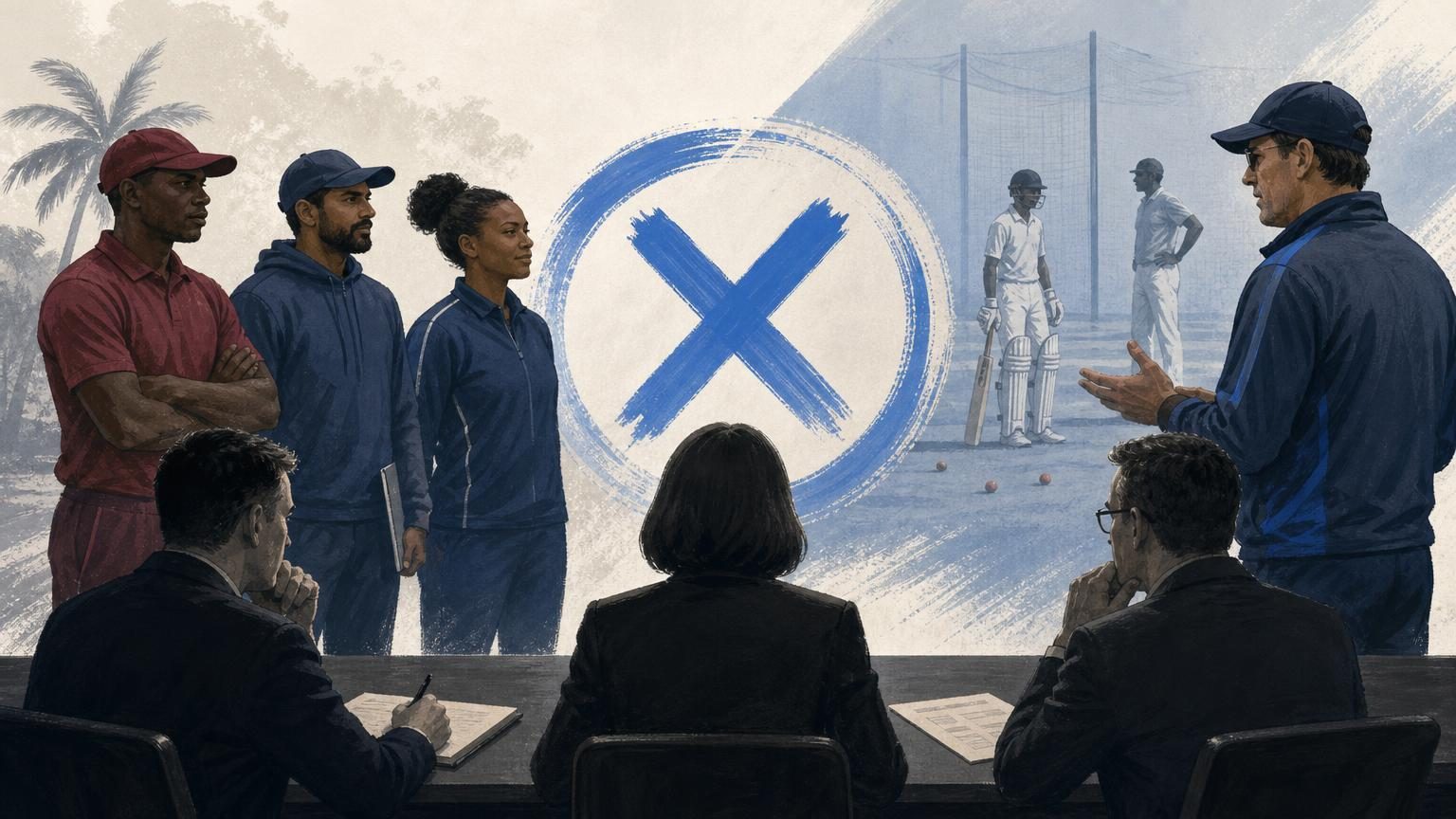
The England and Wales Cricket Board has confirmed it no longer routinely applies the Rooney Rule when recruiting coaches for its national teams, telling BBC Sport that its hiring practices have "evolved" over the past eight years.
The governing body committed to the policy in 2018, promising to interview at least one applicant from an ethnic minority background for every coaching role across the men's, women's and disabled teams. That pledge came five years before the Independent Commission for Equity in Cricket published its 2023 report, Holding Up a Mirror to Cricket, which found racism, sexism, classism and elitism were "widespread" in the English game.
Asked by BBC Sport to account for 16 appointments connected to the England men's and women's set-ups since 2024, the ECB acknowledged that not every recruitment had followed the rule. Those roles were not confined to head coaches; some covered selectors and directors of cricket, and the most recent came within the past week, when Richard Dawson, James Foster and Eric Simons joined the men's Test coaching staff alongside Michael Yardy, appointed as elite national batting lead.
A spokesperson for the ECB said recruitment was now "tailored to the requirements of each role", adding that some processes were open while others involved "targeted searches for specialist skillsets, experience and leadership qualities", and that at times the board recruited a whole team rather than an individual.
The ECB told BBC Sport that at least one ethnic minority candidate had featured in the process that led to Stephen Fleming's appointment as Test head coach in July. That was not the case in April 2025, when Clare Connor, then director of women's cricket, named Charlotte Edwards as head coach of the England women's team without an open process or application of the Rooney Rule.
Connor had previously told BBC Sport that she believed the rule "should be absolutely applied in all circumstances where it is deemed feasible", describing it as practice "across our pathway appointments and our senior appointments in England cricket" rather than something left to individual discretion.
The Rooney Rule originated in the NFL in 2003, named after the league's diversity committee chairman Dan Rooney, and requires American football clubs to interview at least one ethnic minority candidate for head coaching or senior operations vacancies.
In its statement, the ECB said the pool of candidates in elite sport "can be relatively small" and that it now draws on external recruitment specialists and internal expertise to identify strong candidates from a range of backgrounds. It said it recognised "differing views on the effectiveness of the Rooney Rule" and that experience had shown strengthening the coaching pipeline to be a more effective route to long-term change than applying the rule in every case.
The board said it remained committed to improving representation, pointing to more than 1,000 coaching bursaries funded in 2025, of which 22% went to coaches from ethnically diverse backgrounds. Across its coaching pathway, which has five levels culminating in advanced and specialist qualifications, the ECB said 21% of coaches on the advanced course and 19% on the specialist course since 2021 have come from ethnically diverse backgrounds.
The Independent Commission for Equity in Cricket was announced in March 2021 in the wake of global movements including Black Lives Matter, roughly three years after the ECB first set out its intention to implement the Rooney Rule in May 2018.