 AE Sports News
Estonia bars Russian and Belarusian athletes amid widening sport backlash
Estonia has confirmed it will refuse entry to Russian and Belarusian competitors, joining Norway, Finland and Canada in rejecting the sporting reinstatement of the two countries.
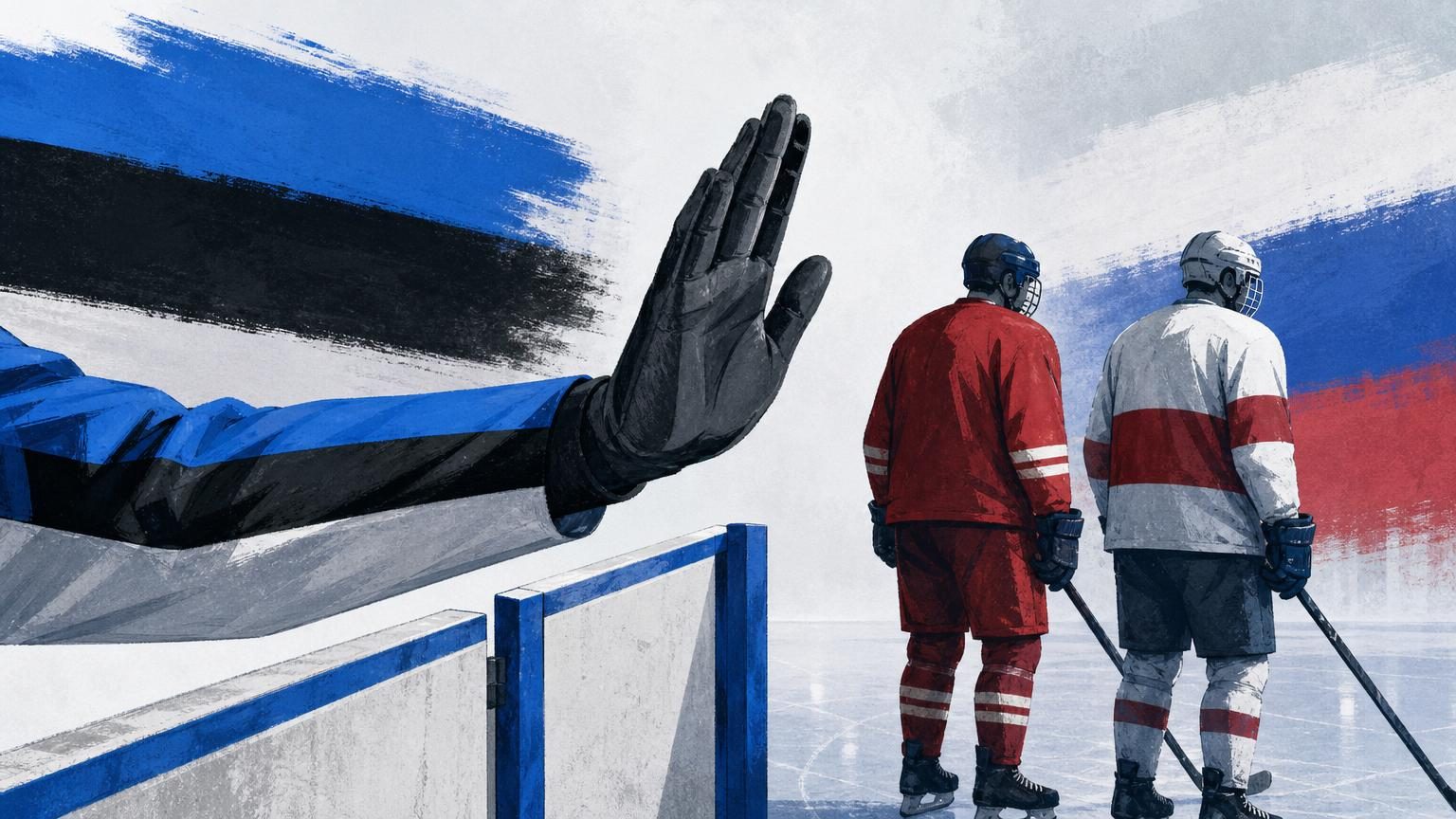
Estonia has told the International Ski Federation it will not grant entry to Russian or Belarusian athletes, becoming the latest nation to resist the gradual return of the two countries to international competition, BBC Sport reports.
Estonia's government wrote to the FIS to say a ban first imposed in 2022 over the invasion of Ukraine will remain in place. It argued that allowing Russian and Belarusian competitors onto Estonian soil would weaken the country's stance on Ukraine and could be exploited as propaganda.
The FIS eased its own eligibility rules in September, allowing Russian and Belarusian athletes to compete provided they sign a declaration of neutrality, a shift away from the stricter checks it had previously applied to any voluntary or paid military ties.
Even under that neutral-athlete policy, competitors are restricted to individual events and barred from using national symbols, flags, anthems or uniforms.
Responding to the Estonian decision, the FIS said it offers support to athletes, national associations and organisers as they work through what it called a complex situation. It added that visa and entry rules are set solely by host nations, and that the federation carries no responsibility when a country refuses entry to someone it has itself ruled eligible.
Norway and Finland confirmed on Thursday that they too would deny visas to Russian athletes because of the war. Norway hosts next month's cross-country skiing World Cup, and Finland is scheduled to stage the figure skating world championships in March.
The International Skating Union said athletes should not be penalised for the conduct of their governments amid ongoing global conflicts, and said it was seeking clarification from Finnish officials.
The row has intensified since the Court of Arbitration for Sport last month overturned the International Ice Hockey Federation's suspension of Russia, a ruling criticised by the British, German, Finnish and Czech federations. Russia had been excluded from IIHF competition since the 2022 invasion until the Russian Ice Hockey Federation won its appeal. Cas found that safety and security arguments put forward by the IIHF lacked sufficient evidence, a conclusion the Hockey Federation of Ukraine said had caused particular outrage.
Canada has since told its hockey authorities it will withhold visas from Russian players, including those based with Canadian clubs, for next month's World Junior Championship for as long as the conflict continues. Several countries have also said they would refuse to face Russia in competition should it be allowed to compete.
Russia and Belarus have gradually been welcomed back into international sport. Athletes from both countries competed under their own flags at the Winter Paralympics in March, after the International Paralympic Committee lifted partial suspensions, and the International Olympic Committee provisionally reinstated Russia in July, stating that its ban introduced in 2023 was no longer applicable.
Individual federations retain the right to set their own eligibility rules. World Gymnastics, World Aquatics and World Boxing have dropped restrictions on Russian competitors, while World Athletics continues to enforce a full ban. Russia is also set to stage the 2030 World Weightlifting Championships in Moscow, marking the first time an Olympic sports federation has agreed to hold a global championship there since the invasion began in 2022.