 AE Sports News
Fifa confirms 2026 World Cup revenue hit $15bn, beating own projections
Fifa says the expanded World Cup generated $15bn, with ticket sales and hospitality alone bringing in $5bn, as governing body faces scrutiny over pricing and political controversies.
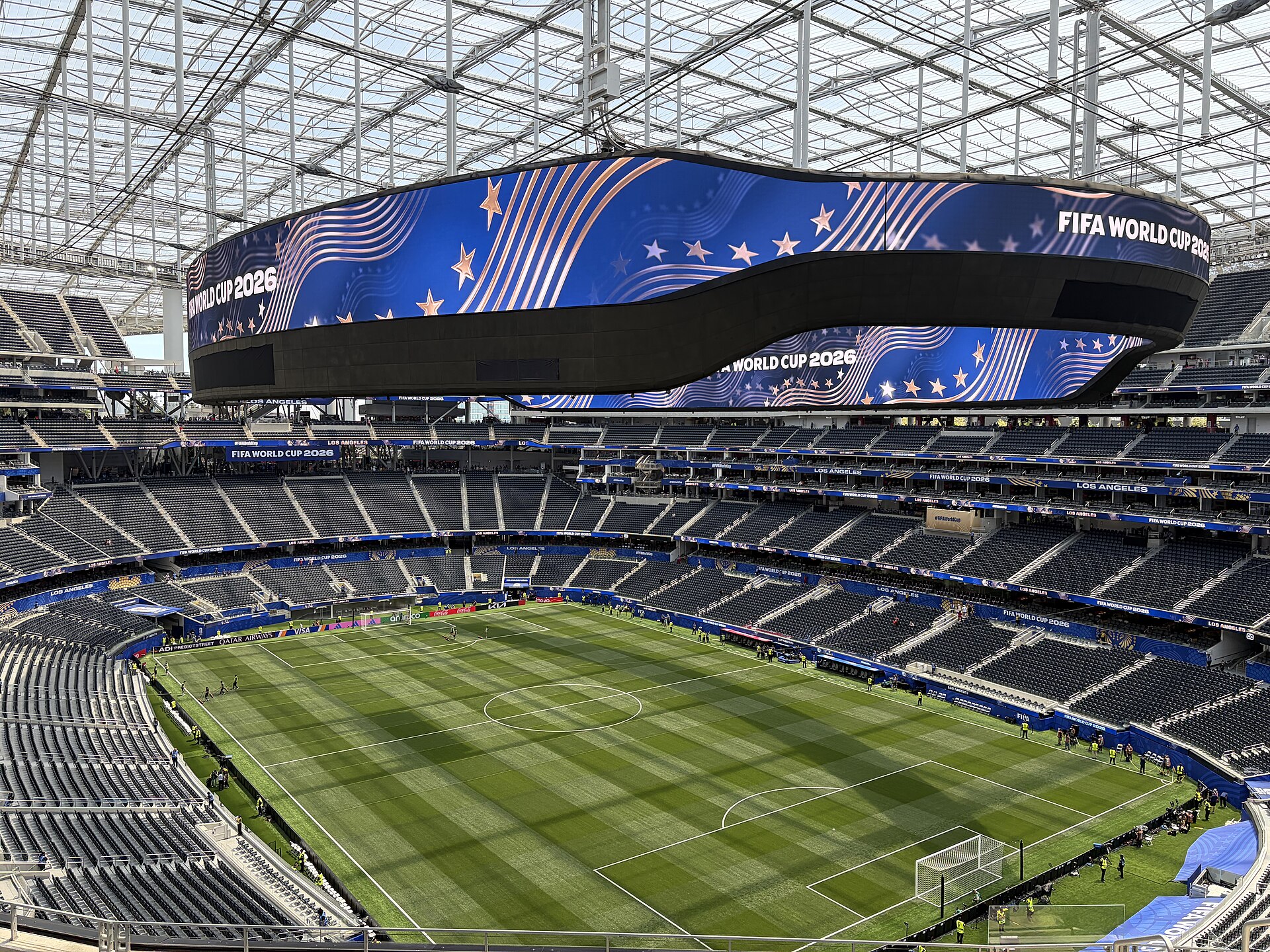
Fifa has confirmed that the 2026 World Cup generated $15bn in revenue, comfortably exceeding its own projections for the tournament, with the final figure still rising.
Around a third of that total, roughly $5bn, came from ticket sales and hospitality, according to reporting by the Times cited in a Guardian Football column by Leander Schaerlaeckens.
That figure is more than five times the $929m generated from matchgoing fans at the 2022 World Cup in Qatar.
The expanded 2026 tournament added 40 extra matches to the schedule, yet average takings per game still rose sharply, from about $14.5m per match in Qatar to roughly $48m across the US, Canada and Mexico.
Schaerlaeckens points to Fifa's use of dynamic pricing on tickets and parking, and its move into the secondary ticket market, as central to the surge in income.
Attendance across the tournament reached 6.8 million, which Fifa described to the Athletic as unprecedented, surpassing the previous record of just under 3.6 million set at the 1994 World Cup in the United States.
Higher revenues translate into larger payouts for Fifa's 211 member associations, each of which holds a vote in the organisation's presidential elections.
The tournament's financial success came despite a series of controversies linked to the Trump administration's handling of the event, including the treatment of the Iranian team, rhetoric about possible immigration enforcement near stadiums, and the denial of visas to some fans and journalists seeking to attend.
Schaerlaeckens notes these matters may still face investigation, though the revenue generated by the tournament has already been banked by Fifa regardless of any future scrutiny.
Gianni Infantino also appears to have weathered the backlash from his attempt earlier this year to unilaterally sell a portion of the World Cup's commercial rights to a private equity firm, a move Schaerlaeckens describes as having gone too far even within football's governing structures.
Infantino faces a Fifa presidential election in March, and Schaerlaeckens writes that many of his supporters have remained firmly behind him despite the private equity controversy.
The column also cites the recent case of Kylian Mbappé, who lost several endorsement deals in China after making light of a meme referencing Mao Zedong, and swiftly apologised, as a separate illustration of how commercial pressures shape behaviour in the sport.
Schaerlaeckens argues that the scale of the World Cup's financial returns has, in effect, vindicated Fifa's commercial approach to the tournament, even as he remains critical of decisions such as the extended half-time show and rule changes introduced during the competition.
