 AE Sports News
Ireland fall to late Austria defeat with Nations League promotion on the line against Kosovo
A stoppage-time concession in Linz leaves Heimir Hallgrímsson's side needing victory over Kosovo in Dublin to keep their Nations League promotion hopes alive.
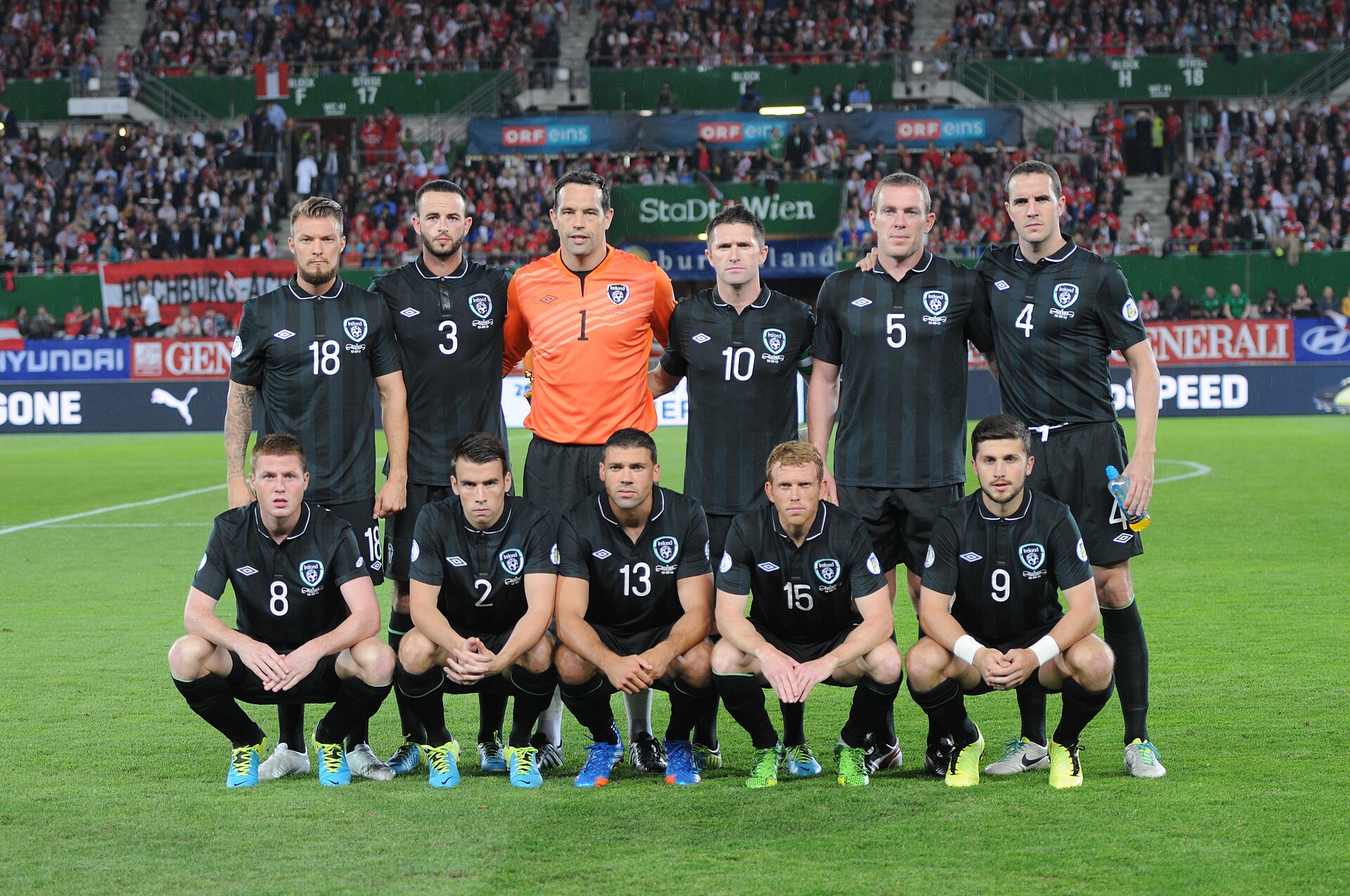
The Republic of Ireland lost 1-0 away to Austria on Saturday, undone by a late goal from Sasa Kalajdzic that came from a corner Ireland conceded needlessly and defended poorly, according to Guardian Football.
Heimir Hallgrímsson's side had matched Austria for 78 minutes in Linz, setting up in a compact, attack-minded shape against a home side managed by Ralf Rangnick who had not lost at home for more than three years. Goalkeeper Caoimhín Kelleher made a series of strong saves before Kalajdzic scrambled in the winner.
The defeat sets up a decisive Nations League group finale against Kosovo at the Aviva Stadium on Tuesday, with Ireland still able to finish second in the group and reach a promotion playoff spot. Austria have already secured promotion to League A.
Victory over Kosovo would also place Ireland in pot two for next month's Euro qualifying draw in Belfast, while defeat risks leaving them facing a relegation playoff to the competition's third tier.
The result in Linz continued a pattern that has defined Ireland's campaign: moments of genuine promise undercut by late collapses. Their Nations League group opened with a poor performance against Kosovo that also ended in a late goal conceded, before a clinical win over Israel in Debrecen in a fixture overshadowed, along with another, by protests over Ireland's decision to play the matches at all.
At home to Austria, Troy Parrott scored twice to give Ireland a commanding first-half lead, only for the team to relinquish control and settle for a draw. Three days later they surrendered another lead in a bad-tempered 1-1 draw with Israel.
That capacity for self-sabotage recalls March's World Cup playoff semi-final in Prague against Czechia, when Ireland built a 2-0 lead through a Parrott penalty before sitting back, conceding a needless penalty and a late equaliser, and losing on penalties. Guardian Football described it as the lowest point of Hallgrímsson's reign so far.
Those setbacks followed a period in which Ireland had looked genuinely transformed. Last November they beat Portugal at the Aviva Stadium in a World Cup qualifier and then came from behind to beat Hungary in Budapest in the playoffs, Parrott completing a hat-trick in the sixth minute of stoppage time in celebrations that went viral and turned him, then at AZ, into a wanted man.
An unbeaten summer window brought low-key wins over Grenada and Qatar and a 1-1 draw with World Cup co-hosts Canada in Montreal, but poor game management during that period had already cost Ireland their chance of reaching the expanded 48-team World Cup.
Hallgrímsson, appointed in July 2024 after a search lasting eight months, has built his side around a strong if occasionally error-prone spine that includes Kelleher, his Brentford teammate Nathan Collins and Ipswich defender Dara O'Shea, with Cardiff's Jack Moylan impressing in midfield and Southampton's Finn Azaz providing intermittent creative spark.
Parrott, now at Real Betis in La Liga, has developed into the team's undisputed focal point in attack. Guardian Football notes that under Hallgrímsson, Ireland are rarely outclassed and carry a cutting edge that was largely missing under his predecessor Stephen Kenny, even as their habit of failing to see out matches persists.
Tuesday's meeting with Kosovo at the Aviva Stadium is now framed as the clearest test yet of whether Ireland can convert a year of improved performances into tangible progress, with promotion, a favourable Euro qualifying seeding, or a relegation playoff all still possible outcomes.
Photo credits
File photo (2013). Photo: Michael Kranewitter · CC BY-SA 3.0 at · via Wikimedia Commons · shown in full here; cropped in thumbnails
