 AE Sports News
Conan reveals Farrell's influence as he targets playing on through injury
Ireland back row Jack Conan says Andy Farrell's culture of openness has transformed the squad, as he targets a return from shoulder surgery in time for the Six Nations.
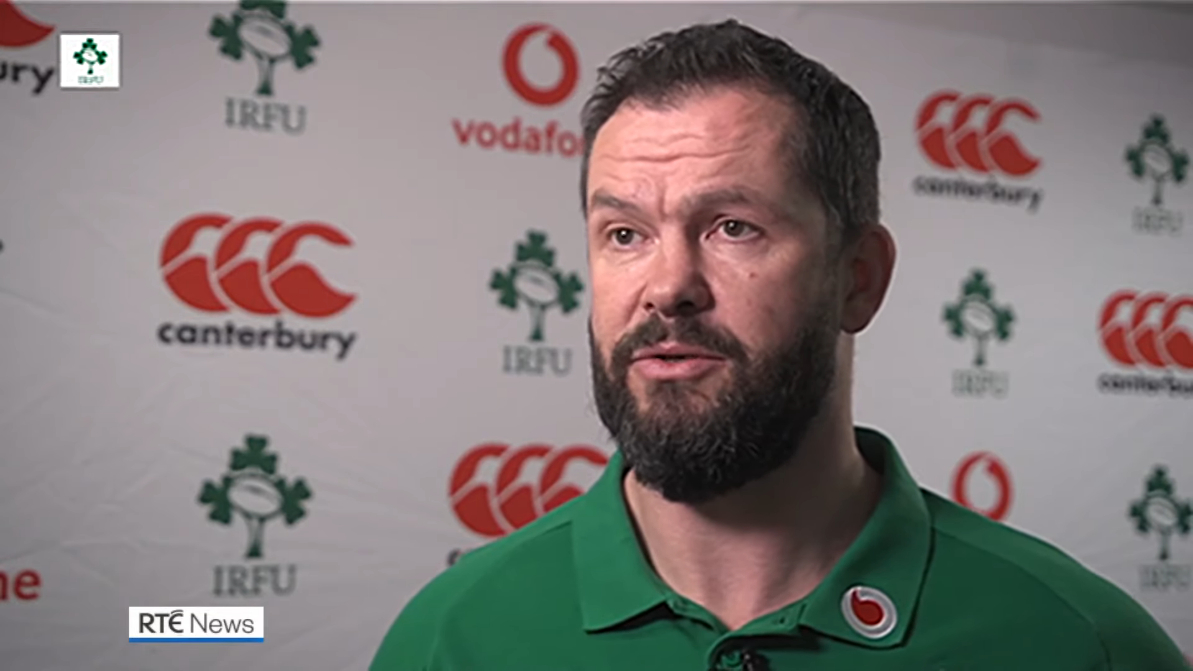
Jack Conan has credited Ireland head coach Andy Farrell with reshaping the culture inside the national squad, saying the shift towards open communication has helped bind the group together, according to the Ireland Rugby Social podcast, reported by BBC Rugby Union.
Conan, capped 62 times since his 2015 debut, has worked under Farrell for the majority of his international career, first as defence coach under Joe Schmidt and since 2019 as head coach.
Conan explained that Farrell actively encourages players to speak honestly about how they feel, insisting there are "no wrong answers", and said that kind of openness builds connection within the squad.
The back row contrasted that approach with how players previously behaved in team meetings, saying nerves once stopped people admitting uncertainty publicly, whereas now squad members feel able to say they do not understand an instruction when Farrell checks in with the group.
Conan's own involvement with the current squad has been interrupted by a shoulder injury picked up while scoring a try in Leinster's 48-23 Champions Cup win over Clermont earlier this month. He will miss Ireland's Nations Championship fixtures against Argentina, Fiji and South Africa in Dublin.
The 34-year-old, a two-time British and Irish Lion, is targeting a return in time for next year's Six Nations and has set his sights on featuring at the 2027 Rugby World Cup.
His recovery comes against the backdrop of personal loss. Conan's mother, Ann, died in August, and he recalled that she used to text him before every game with a simple message of support. "That's a big thing for me now, enjoy it and make her proud," he said, visibly emotional.
Asked about the longevity of his career, Conan said his body had not declined despite his age, noting that pace was never his primary asset and that he still felt strong. He framed retirement as a question of motivation rather than physical capacity.
He added that the hardest moments now come during solitary rehabilitation sessions rather than on the pitch, describing time on the bike as when he faces his toughest mental battles. He said watching teammates play still stings a little, calling that feeling healthy because it keeps his competitive instinct alive.
Photo credits
File photo (2020). Photo: RTÉ Sport · CC BY 3.0 · via Wikimedia Commons
