 AE Sports News
Manchester United's crisis traced back to a 1999 racehorse dispute, writes Jonathan Wilson
A 3-0 home defeat to Bournemouth has intensified scrutiny of Michael Carrick, but the Guardian's Jonathan Wilson argues United's troubles stem from a row over a racehorse more than two decades ago.
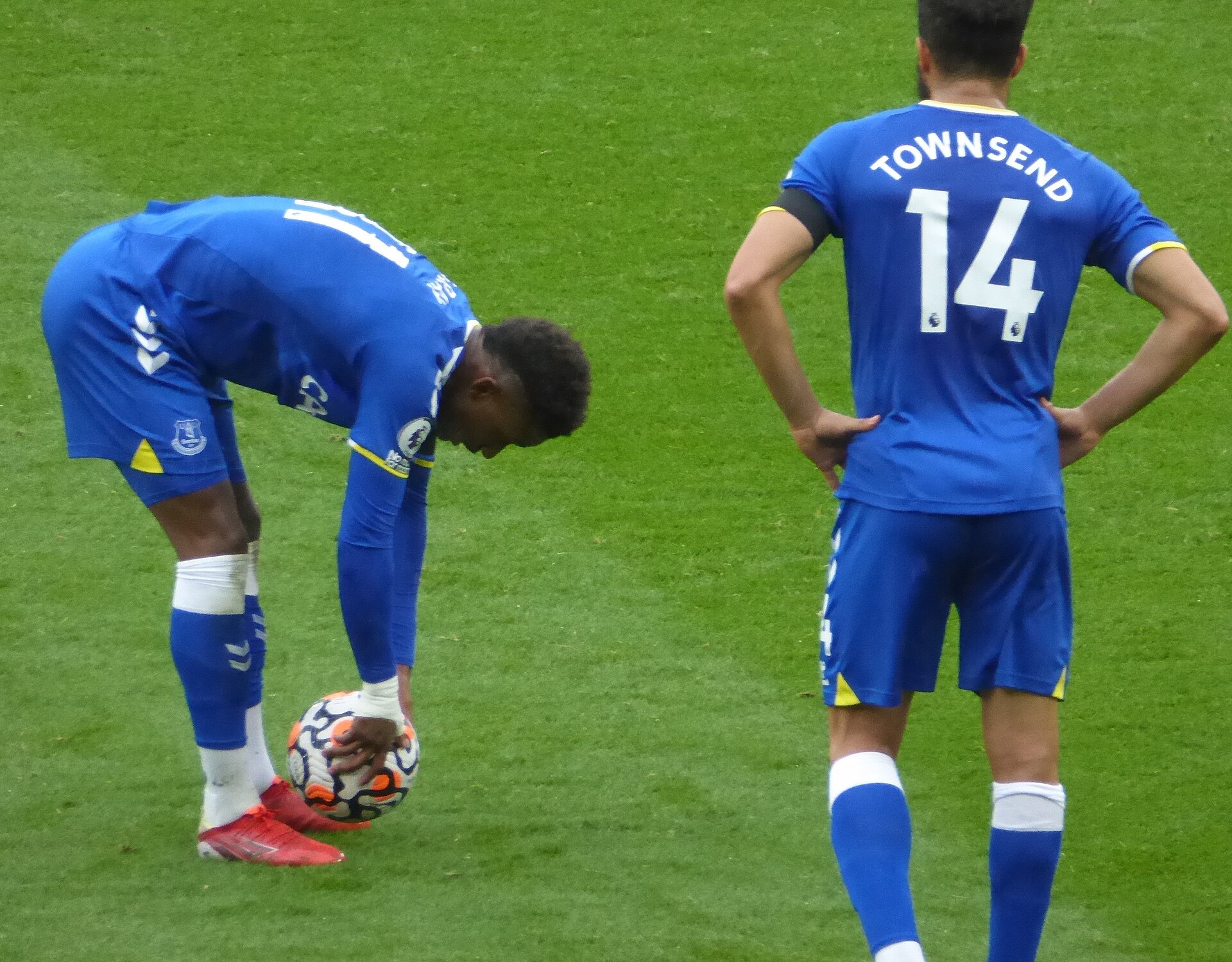
Manchester United's home defeat to Bournemouth on Sunday, which finished 3-0, followed a 4-1 loss away to Como the previous week and has sharpened doubts over whether Michael Carrick is equipped for the permanent manager's job, according to Guardian Football writer Jonathan Wilson.
Wilson argues that United have cycled through so many managers in 13 years that the manager himself may not be the real issue, pointing instead to director of football Jason Wilcox, chief executive Omar Berrada, minority shareholder Sir Jim Ratcliffe, and the Glazer family, who took control via a leveraged buyout in 2005.
To explain how the club reached this point, Wilson traces the chain of events back to 1999, when a horse named Mull of Kintyre, owned by Irish businessman John Magnier, won the Gimcrack Stakes at York.
Magnier disliked public speaking and asked his friend, United manager Sir Alex Ferguson, to deliver the traditional winner's speech in his place, but racing's governing body insisted only the owner could do so.
In response, Magnier registered Ferguson as the owner of a horse called Juniper, which finished narrowly beaten in the same race a year later, then made him owner of Rock of Gibraltar the following year, a horse that duly won the Gimcrack comfortably and allowed Ferguson to give the speech Magnier had wanted him to give from the start.
Wilson notes that Magnier's motives were partly mischievous but also a genuine favour to a friend, while he also stood to gain from linking such a well-known name to his horses; Ferguson, meanwhile, was on poor terms with United chairman Martin Edwards and had begun to see football clubs as attractive investments, which led Magnier and his associate JP McManus to buy shares in the club.
Rock of Gibraltar then proved far superior to anyone's expectations, winning seven successive Group One races and generating stud fees ultimately worth tens of millions of pounds.
A dispute followed over what had been agreed verbally: Ferguson maintained he was entitled to choose between half the prize money, around £800,000, or half the stud income, and opted for the latter, while Magnier's version of the arrangement was five per cent of prize money or a single stud nomination each year.
Ferguson launched legal action and, with his name on the official ownership papers, might well have prevailed had the case reached trial, Wilson writes.
Instead, rumours began circulating about Ferguson's financial affairs at United, paid actors raised pointed questions at the club's annual general meeting, and a list of 99 questions submitted by Magnier and McManus to the United board found its way to the Daily Mail, embarrassing the club and prompting fans to protest against the pair at race meetings.
A settlement saw Ferguson paid £2.5m to drop his claim, but by then Magnier and McManus had decided to sell their United shareholding, and Malcolm Glazer, with Ferguson's backing, was ready to buy in and launch his leveraged takeover.
Magnier and McManus sold their stake in 2005 for £260m, a profit of just under £100m; had they held on until Ratcliffe acquired a comparable stake in 2024, Wilson calculates they would have received roughly £1bn more.
Ferguson's success on the pitch, including five league titles and a Champions League under the Glazers, masked the damage being done by the family's ownership, Wilson argues, but once Ferguson departed there was little left to sustain the club through the debt and decision-making that followed.
Carrick now presides over a squad shaped by seven managerial appointments and a series of conflicting footballing approaches since Ferguson's retirement, the latest figure caught in what Wilson describes as a crisis more than two decades in the making.
Photo credits
File photo (2021). Photo: Ardfern · CC BY-SA 4.0 · via Wikimedia Commons · shown in full here; cropped in thumbnails
