 AE Sports News
Shola Ameobi reflects on journey from Newcastle derby hero to boardroom role
The former Newcastle striker, now the club's head of corporate affairs, has spoken to Guardian Football about overcoming racism in his childhood and building a career beyond the pitch.
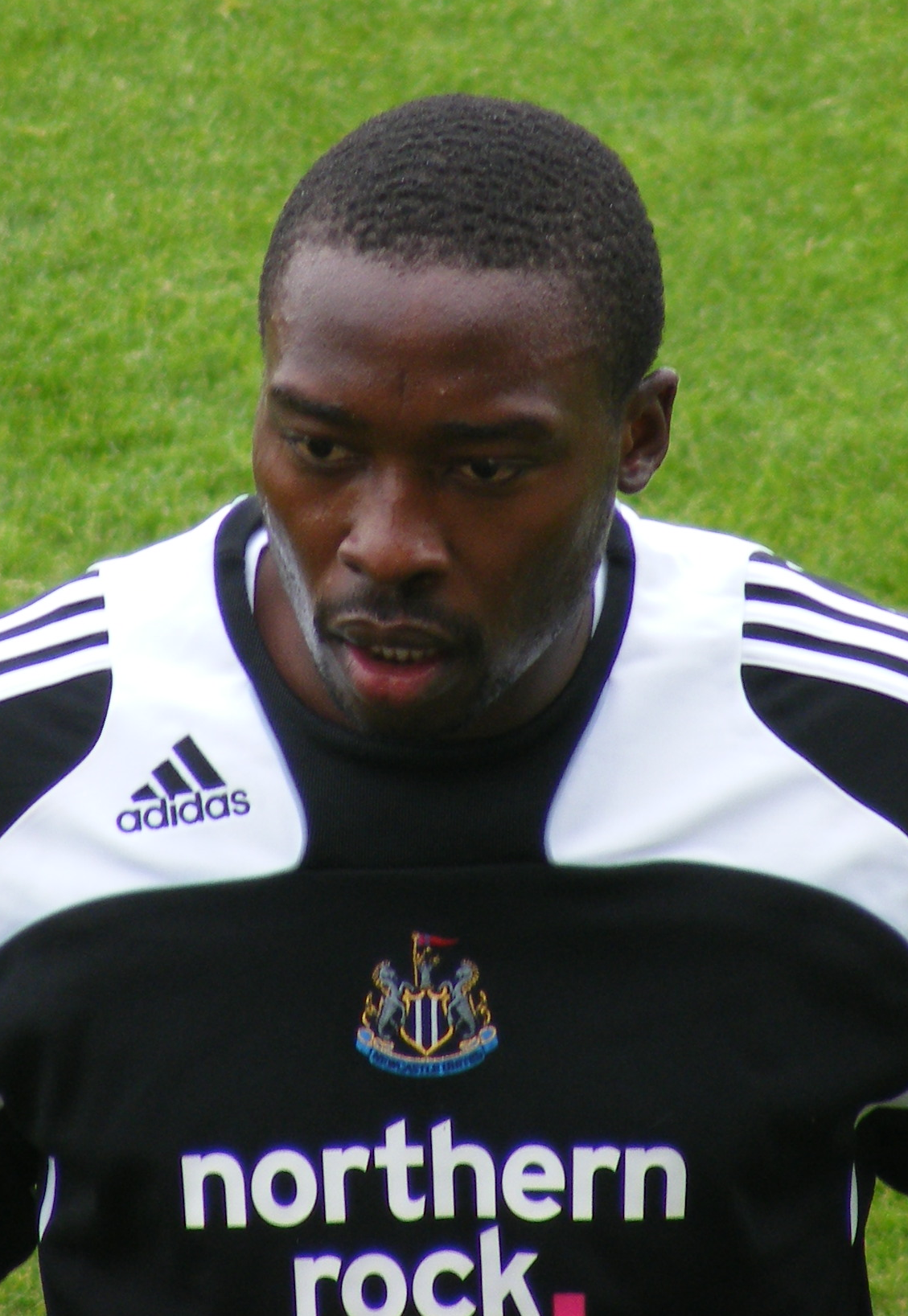
Shola Ameobi has described the racism he faced growing up in Newcastle during the late 1980s and 1990s, recalling being "harassed and chased by different groups of people" because of how he looked, in an interview with Guardian Football.
Ameobi moved to Newcastle from Nigeria aged six and told the paper there were "times where I feared for my life as a kid", with journeys between his family home near St James' Park and the club's old Benwell academy base among the moments he had to navigate carefully.
He said the experience "built incredible resilience" in him, which he credits with shaping both his playing career and his outlook as a person, adding that what mattered was "the value I put on myself" regardless of how others saw him.
That same boy went on to score 79 goals in 397 appearances for Newcastle, including seven against local rivals Sunderland, becoming a fixture of the Tyne-Wear derby before his career wound down.
Since July, Ameobi has held the position of Newcastle's head of corporate affairs, having spent the previous seven years as the club's loans coordinator. He described his remit as leading on "strategic external engagement", with the aim of making the club "the heartbeat of this city" through civic, sporting and community links.
The move followed a 100-day review carried out by chief executive David Hopkinson. Ameobi said Hopkinson initially gave him a weekend to consider the opportunity, but he asked for more time to understand exactly what the role would involve in practice. The conversations that followed stretched over six months before he accepted.
Ameobi said the step into an executive position felt less dramatic than it might appear from outside, pointing out that he had built his previous department "from nothing" during the Mike Ashley era, which he said taught him how to business-plan and build a team.
He has been part of the Premier League's Black participants advisory group since its formation in 2019, a body whose work has included the No Room for Racism action plan launched in 2021 and the player to executive pathways scheme piloted in 2022. Ameobi was among the first seven-strong cohort to take part in that scheme.
He said the programme gave him "a really good framework" across areas such as finance, brand and organisational structure, and helped him recognise that much of what he already did in football could translate into an executive setting. He also pointed to two decades spent working in high-pressure environments as useful preparation for moments that do not go to plan.
Ameobi traced his thinking about life beyond playing back to November 2006, when he underwent career-saving hip surgery after years of struggling with the injury. The uncertainty over whether he would play again at his previous level prompted him to consider how he could be most useful to his teammates and the club, a period he described as including "some dark moments".
He said he got through that time with the support of a psychologist and his family, citing his father, a church leader, as the biggest influence on his approach to leadership. Among footballing influences, he named the late Sir Bobby Robson, who gave him his professional debut at 18, and Alan Pardew, who managed him at both Newcastle and Crystal Palace and who he said used him to help manage issues within the dressing room.
Ameobi also holds a master's degree in strategic leadership, a qualification that sits alongside his new executive role at a club where he remains closely associated with some of its most memorable derby days.
