 AE Sports News
Starc's four-wicket burst hauls Australia back into series decider
Mitchell Starc took four wickets in nine balls as Australia clawed back into the third Test against South Africa in Cape Town after Pat Cummins' decision to bowl backfired early on.
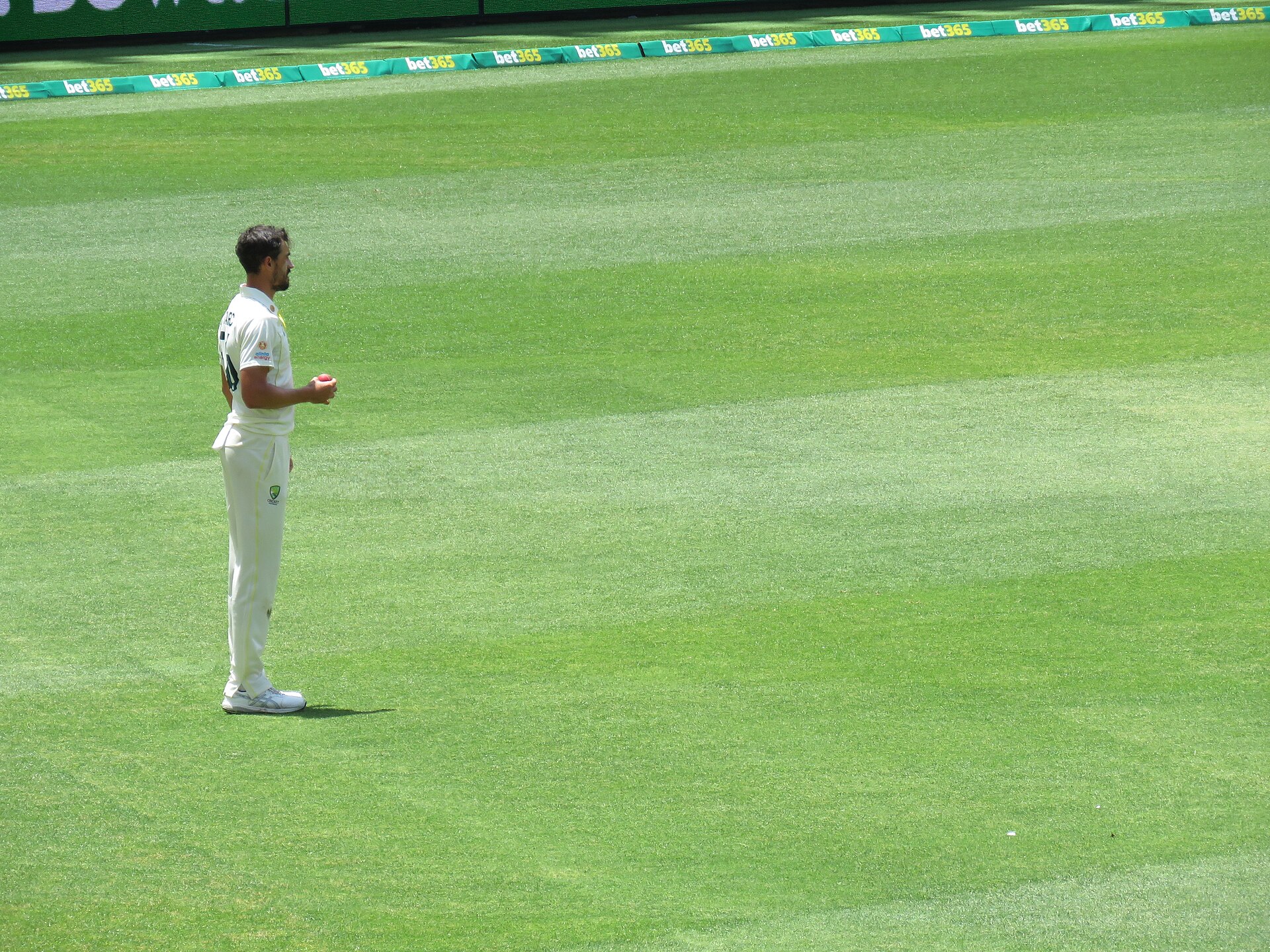
Pat Cummins' call to bowl first in the series-deciding third Test in Cape Town looked costly inside two hours, but a late surge led by Mitchell Starc dragged Australia back into contention by the close of the opening day, according to BBC Sport.
South Africa were bowled out for 329, with Starc finishing the innings on 6-72 after claiming four wickets in just nine deliveries during a devastating spell with the second new ball.
The hosts had raced to 203 for one before a procession of dismissals against the short ball reduced them to 232 for six, with Aiden Markram (78), David Bedingham (50) and Wiaan Mulder (nought) all falling to attacking shots against the bouncer.
Opener Marques Ackerman was closing in on a maiden Test century, in only his second appearance, when he was run out on 95 attempting a run off Nathan Lyon. Captain Temba Bavuma was then dismissed by a straight delivery from Lyon, the third time in as many innings he has been out to off-spin for a single-figure score, having made 179 in his previous knock.
Starc then took charge late in the day, removing Ryan Rickelton for 42 and Marco Jansen for 52 before bowling Gerald Coetzee and trapping Kagiso Rabada lbw for a duck, with full deliveries aimed squarely at the stumps.
It was a stark reversal from the morning, when South Africa had plundered 140 runs in the opening session at more than four an over, Ackerman at one point striking Starc for four successive boundaries.
BBC Sport noted that not since Ricky Ponting's England in 2005 had a side inserted by Australia built a century opening stand, and Cummins turned to Lyon's spin after just 11 overs - the earliest an Australian spinner had been introduced following a decision to bowl since Shane Warne in 2000.
Cummins explained his reasoning at the toss, saying: "It feels like there's a bit of moisture in the wicket so we will have first use of it." BBC Sport suggested the decision may instead have been driven by concern over his own batting order, which goes into the match without the injured Steve Smith and with opener Nic Maddinson already sent home after two Tests.
Marnus Labuschagne, who has gone a long stretch without a century, is retained for what BBC Sport described as possibly a final opportunity, while Matt Renshaw is set to move back up to open having impressed at number five in the first Test. Josh Inglis, one of four changes to the Australian XI, has not faced a red ball in competitive cricket since March, and Cameron Green has not played a first-class match since August.
Australia arrive in Cape Town having been beaten inside three days in the second Test at Gqeberha, a defeat by an innings and 31 runs. The winner of this decider will finish the series on top of the rankings, with the result also carrying implications for Australia heading into next year's Ashes.
Should Cummins' side fail to recover from this position, he risks becoming only the latest in a line of captains remembered for a costly call to bowl first - a group that includes Ponting, whose decision at Edgbaston in 2005 is still recalled despite Australia's overall success under his leadership. For now, BBC Sport reported, his bowlers have given him a reprieve; it will fall to his batters to make sure he never needs one again.
Photo credits
File photo (2022). Photo: Calistemon · CC BY-SA 4.0 · via Wikimedia Commons · shown in full here; cropped in thumbnails
