 AE Sports News
Steve Smith's silence over sandpapergate row contrasts with teammates' accounts
As Cameron Bancroft's essay and Pat Cummins' press conference reignite the 2018 ball-tampering scandal, Steve Smith has said nothing publicly, a silence one columnist argues is reshaping his legacy.
Australian cricket has been drawn back into the sandpapergate affair more than eight years after Cameron Bancroft was filmed handling a ball-tampering agent during the third Test against South Africa in Cape Town, according to Guardian Cricket.
Recent contributions from Usman Khawaja's autobiography, David Warner's ongoing commentary, a 68-minute press conference from current captain Pat Cummins and a 4,000-word first-person account from Bancroft have all added to renewed scrutiny of the episode, the Guardian reported.
One figure central to the original story has not spoken: Steve Smith, the Australia captain at Newlands in 2018, has maintained public silence throughout the latest round of claims and counter-claims.
Smith was the player who insisted on fronting the media in the immediate aftermath of the scandal, a decision Bancroft said this week was made in the hope that admitting fault would limit the damage and help the team move past it, according to the Guardian.
That decision instead cemented images of Smith as one of the central figures of the saga, including his shell-shocked walk through Johannesburg airport and his tearful press conference on landing back in Sydney.
Smith was suspended from playing for 12 months and barred from any leadership role for two years, sanctions now widely regarded as disproportionate to the stigma that has followed him since, the Guardian noted.
Bancroft's essay, published this week, has instead turned scrutiny onto Cummins, with Bancroft describing feeling angry, betrayed and alone while watching the current captain deny knowledge of the ball-tampering plan.
Bancroft's account also recalled that when the plan was first floated in Port Elizabeth, Smith made clear he wanted no part in it before distancing himself, and that during the second Test he responded to the scheme having its intended effect with the words I don't want to know about it.
Bancroft explained that Smith pushed to hold a media conference despite advice to wait, because, as Bancroft put it, "Steve just wanted to clear it so he could focus on batting," the Guardian reported.
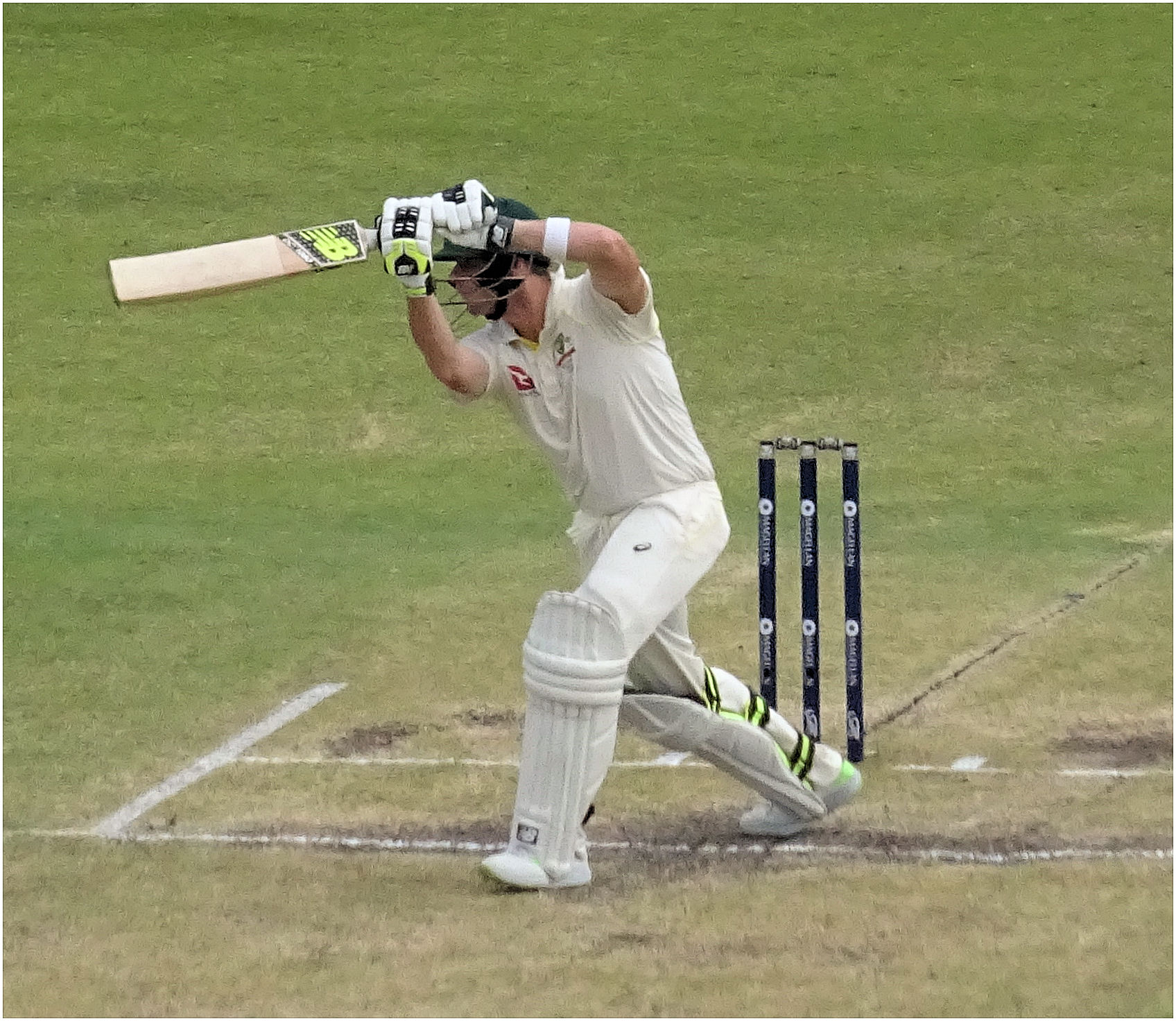
That same single-mindedness is visible in the repetitive rituals that accompany his time at the crease, including shadow batting, practice swings and adjustments to gloves and pads, and has long underpinned his record as one of Australia's most prolific batters, with over 11,000 Test runs and 37 hundreds from 127 appearances.
Guardian Cricket's analysis suggests the same trait that contributed to his downfall in 2018, when he lost the captaincy and faced a ban, could now be working in his favour as he approaches the latter stages of his international career.
Smith, 37, has not confirmed when he intends to retire from Test cricket, with a home summer against New Zealand due to be followed by series in India and England, two countries where he has never been part of a winning Australian squad.
With Cummins facing questions over his captaincy amid the renewed scandal, and Australia's senior bowlers maintaining they had no knowledge of the Cape Town plot, Smith has remained outside the dispute.
He has continued his preparations away from the controversy, returning from New York to play a Sheffield Shield match for New South Wales this weekend ahead of the home Test summer.
Photo credits
File photo (2017). Photo: Dave Morton · Public domain · via Wikimedia Commons
